High-speed door or rolling shutter? How to choose for your opening
Choose a high-speed door for openings used many times an hour, where you need to keep cold, heat, dust or insects out between trips. Choose a rolling shutter for security and weather protection at openings used a few times a day, especially on the outer wall and overnight. Many plants fit both: a shutter outside for security, and a high-speed door inside for daytime traffic.
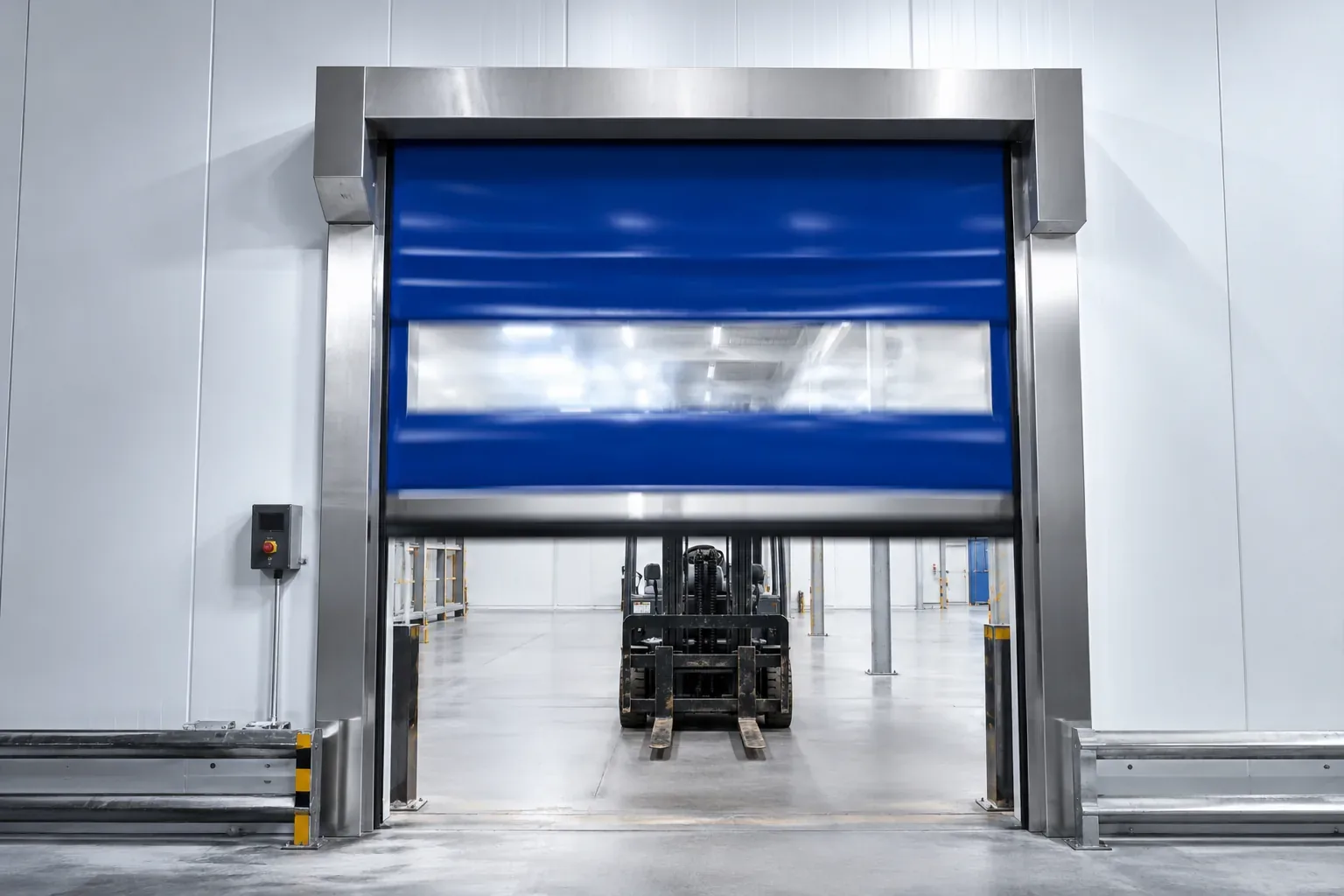
The basic difference
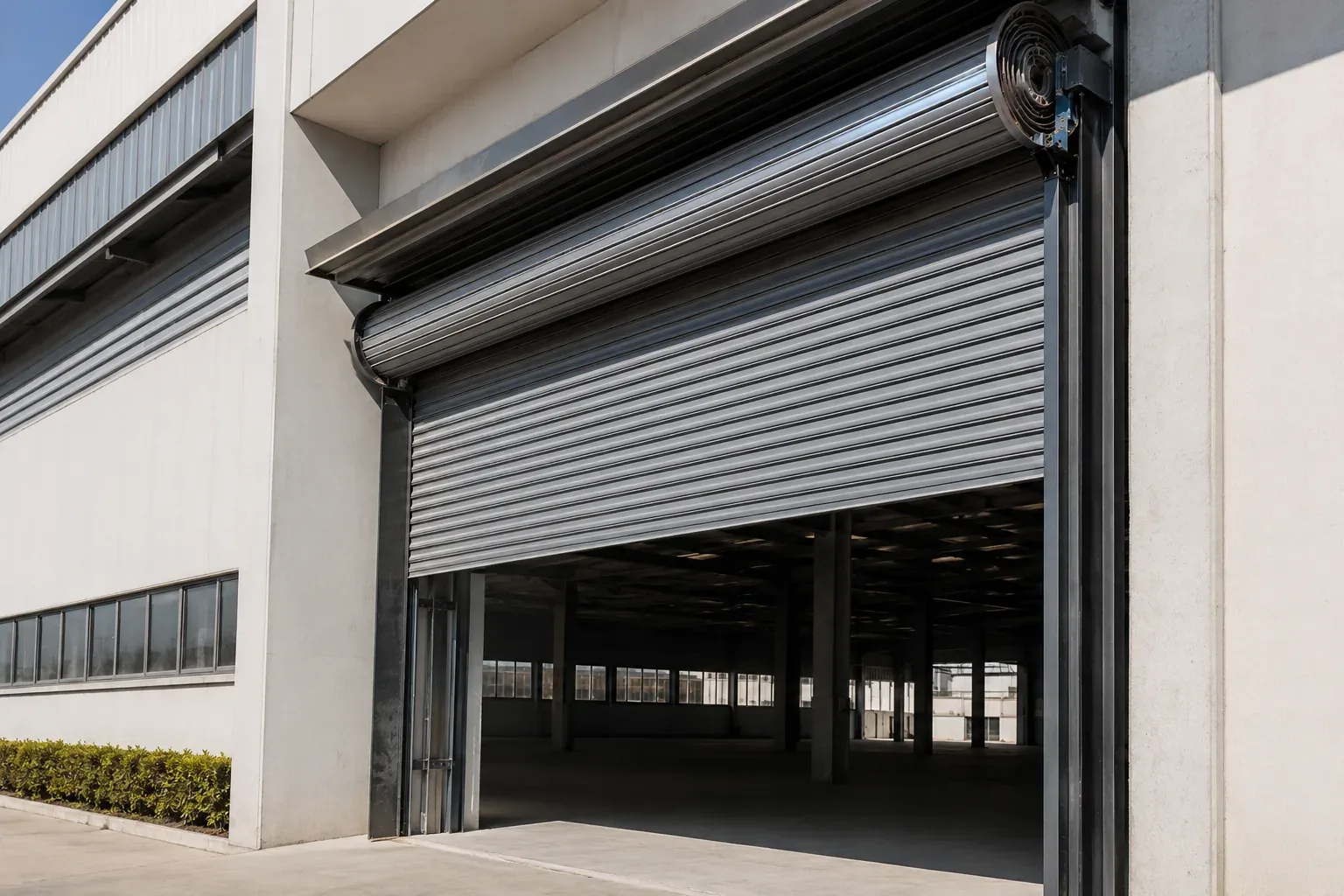
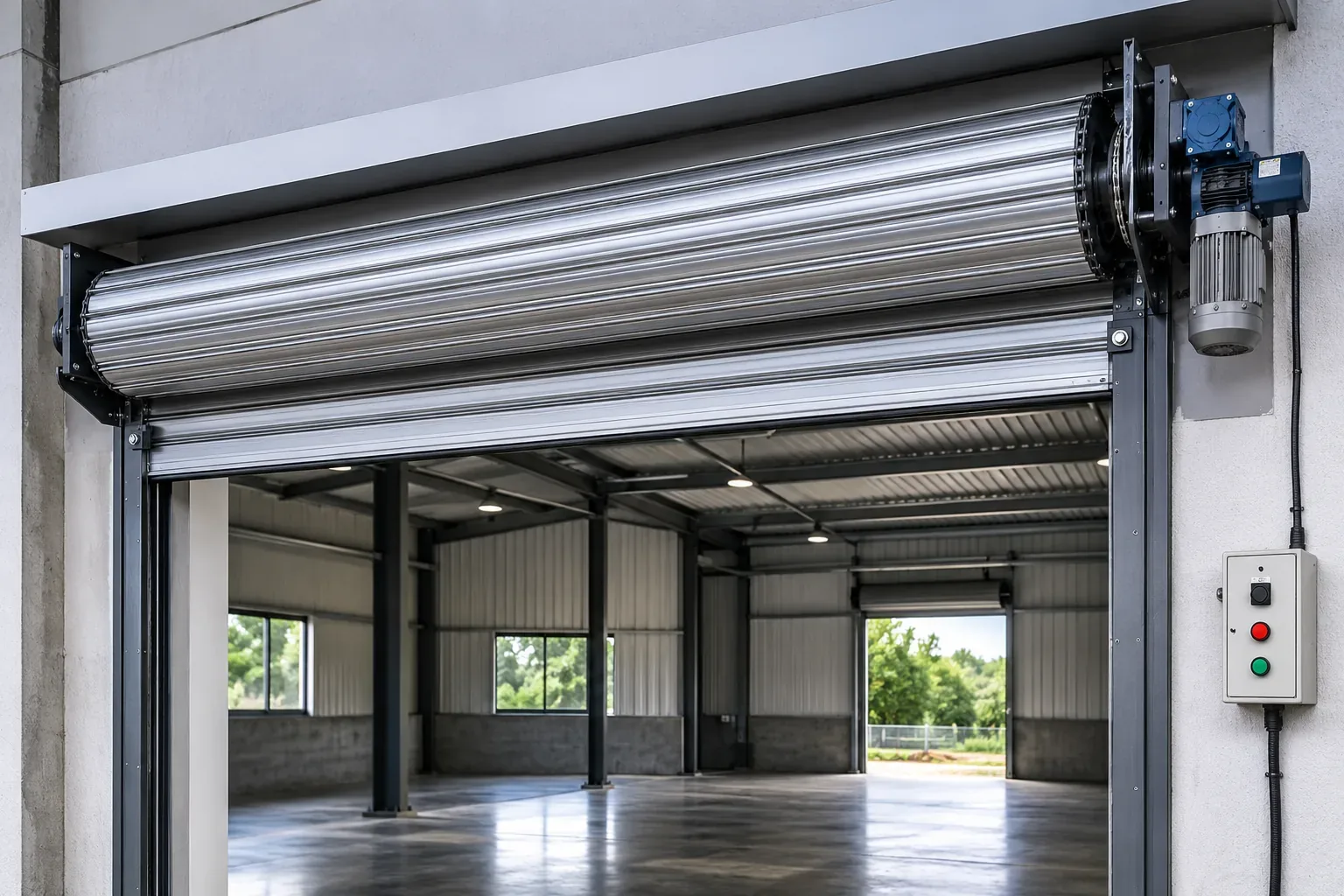
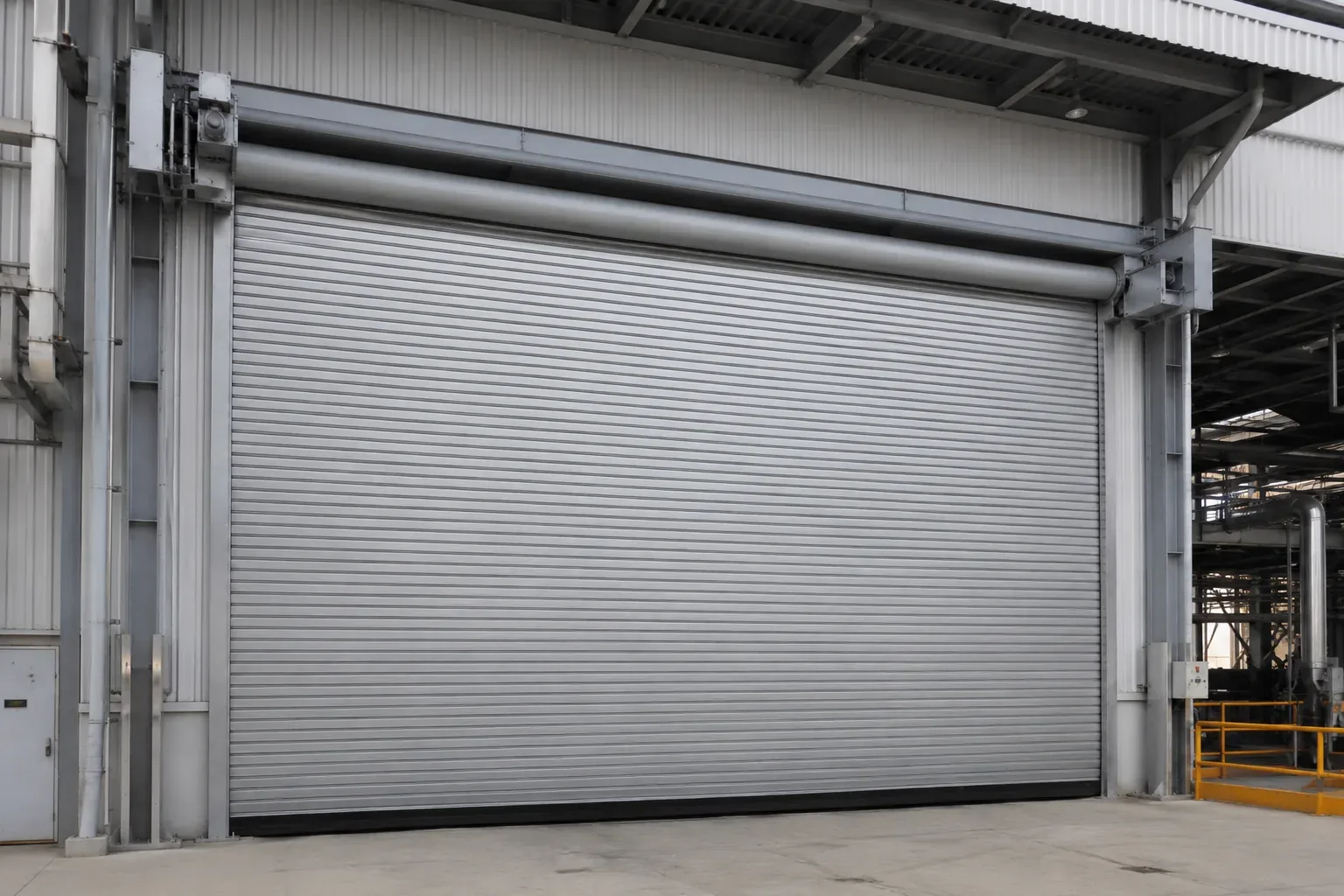
A rolling shutter is a curtain of interlocking metal strips, called laths or slats, that coils around a barrel above the opening. It can be pushed up by hand, geared, or driven by a motor. Its strength is the metal curtain: once it is down and locked, it is a physical barrier.
A high-speed door, also called a rapid door, uses a light, flexible curtain, usually PVC fabric, driven by a motor and a dedicated controller. It is built to open and close far faster than a shutter and to close again on its own once traffic has passed. Its strength is speed: the opening spends very little time open.
One term you will see throughout: a cycle is one full open-and-close. How many cycles an opening sees in a day is the single most useful number in this decision.
Side-by-side comparison
| High-speed door | Rolling shutter | |
|---|---|---|
| Opening speed | Fast; built for frequent traffic | Slower; built for occasional opening |
| Curtain | Flexible fabric, often with clear vision panels | Steel or aluminium laths |
| Security | Low; fabric is not a security barrier | High; a locked metal curtain |
| Automatic closing | Standard, triggered by sensors or a timer | Possible on motorised models, but usually opened and closed on command |
| After a forklift knock | Some designs let the curtain pop out and re-seat itself | Dented laths can jam and need repair |
| Keeping out heat, cold and dust | Good during working hours, because open time is short | Good when closed, poor if left open during work |
| Upkeep | More sensors and electronics to look after | Simpler mechanism: springs, guides, motor |
| Typical place | Internal openings, cold rooms, clean zones, busy dock doors | Outer walls, stores, shopfronts, night closure |
Start with how often the opening is used
Count how many times a day people, forklifts or trucks pass through, and when the peaks are. This number usually settles the question.
When a slow door serves a busy opening, staff stop waiting for it. The shutter is rolled up in the morning and left open all day, which means the opening separates nothing: dust, heat, birds and insects come in with the forklifts. A high-speed door fixes that by opening only when someone needs it and closing straight after.
At an opening used a handful of times a day, such as a store, a plant room or a rear gate, speed buys you little. A rolling shutter does the job, has less to look after and gives you security at night.
What does the opening need to keep apart?
Think about what is on each side of the opening. The more it matters to keep the two sides apart during working hours, the stronger the case for a high-speed door.
- Temperature: cold rooms, chillers and air-conditioned areas lose cold air every second the opening stands open. Insulated high-speed doors are made for cold storage.
- Dust and hygiene: pharma, food and electronics areas need clean zones kept clean. Clean-room high-speed door designs exist for this.
- Insects and birds: a common problem in Indian warehouses and food plants when doors stand open.
- Noise, fumes and draughts: between a production hall and a packing area, for example.
If the only job is to shut the building at night and keep out the rain, a rolling shutter is the simpler answer.
Security and night closure
A fabric curtain is not a security barrier. It can be cut, and it is not designed to resist forced entry. If an opening is on the outer wall and must be secure overnight, it needs a metal door such as a rolling shutter.
That is why many plants use both on the same opening: a rolling shutter on the outside face, closed and locked at night, and a high-speed door on the inside face for fast daytime traffic. You need enough wall depth or side space to fit both, so plan it before the civil work is finished.
Forklift knocks and safety
Doors at busy openings get hit. The two types handle it very differently.
- High-speed doors: some are designed so the curtain pops out of its side guides when struck and re-seats itself on the next cycle, so the opening is back in use without a service visit. If knocks are common at your opening, ask for this type.
- Rolling shutters: a forklift strike can dent laths or bend a guide, and a damaged curtain may jam. Bollards or guard rails in front of the guides help.
- Safety devices: both types, when automated, should stop and reverse if something is in the way. Common devices are photocells (a light beam across the opening), a safety edge along the bottom of the curtain, and motion or presence sensors.
If a rolling shutter is right: choosing the type
Three questions narrow the choice down.
Manual or motorised?
Small openings used rarely can be manual. Large or heavy shutters, and any shutter opened several times a day, are better motorised, with push-button or remote control. Most motorised shutters also have a manual way to open them during a power cut; confirm how it works on the model you choose.
Steel or aluminium?
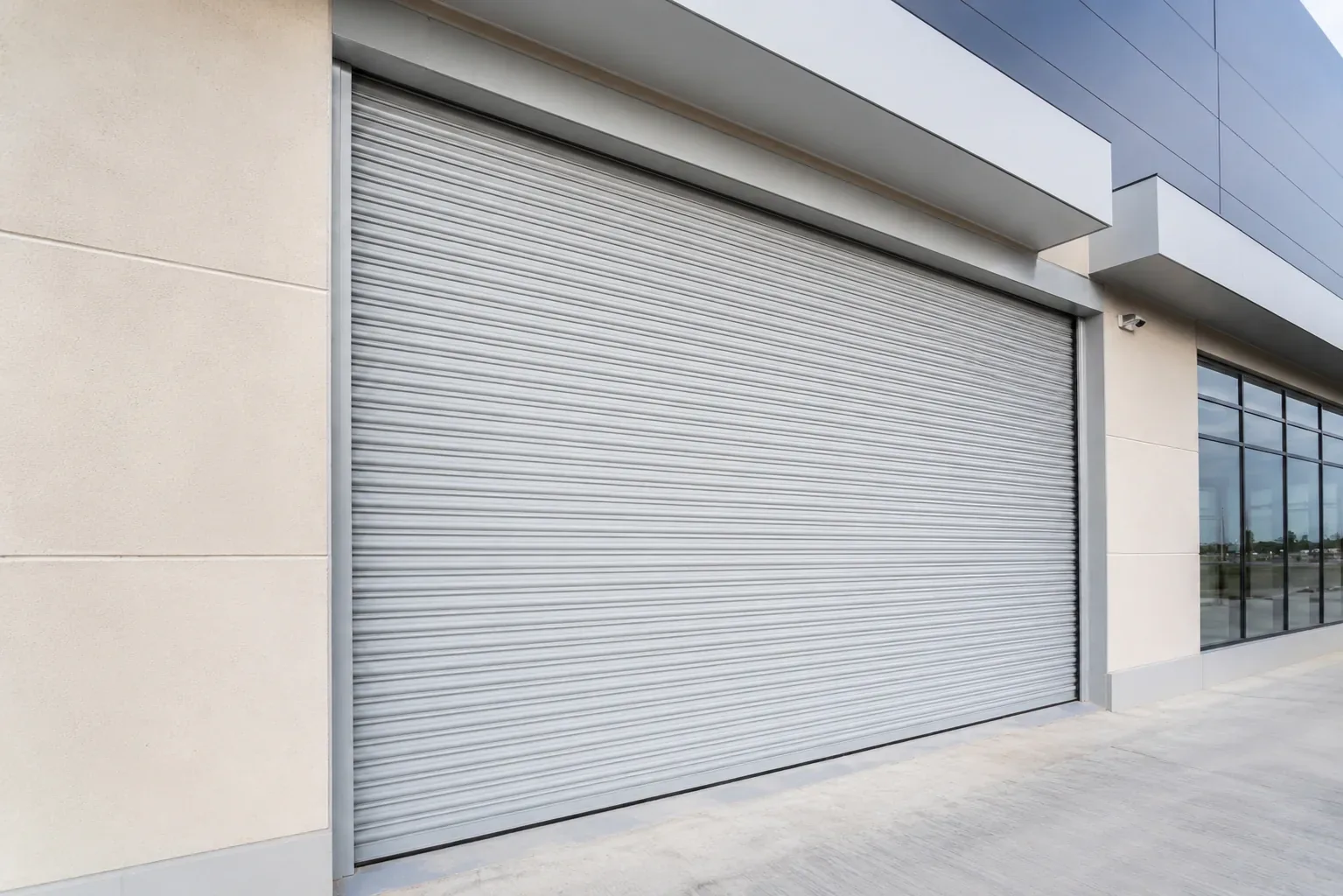
Galvanised steel laths give the most strength and security, which suits warehouses and factory bays. An aluminium rolling shutter is lighter and does not rust, so it suits shopfronts, offices and coastal sites where finish and corrosion matter more than brute strength.
How big and how exposed?
Wide openings on exposed walls take heavy wind load in storms. An industrial rolling shutter uses heavier laths, stronger guides and wind locks to stop the curtain bowing out of its guides.
If a high-speed door is right: what to specify
- Inside or outside: external high-speed doors need a curtain and guide design suited to the wind on that site. Tell us if the opening faces open ground.
- Temperature: say if it is a chiller, freezer or air-conditioned zone, so the curtain and seals suit it.
- Hygiene: say if it serves a clean room or a food area.
- How it opens: push button, pull cord, radar, floor loop or remote. Automatic triggers keep forklifts moving without drivers stopping.
- Knocks: ask for a self-recovering curtain where impacts are likely.
- Vision panels: clear windows in the curtain let drivers see people and vehicles on the other side.
Space and power: measure before you choose
Both types need space above and beside the opening. A shutter needs headroom for its coil and barrel. A high-speed door needs room for its top roller or housing, side guides and control box. Measure the clear opening (the width and height traffic actually passes through), the headroom from the top of the opening to the ceiling or beam, and the side-room on each side.
Powered doors run on 230V single-phase or 415V three-phase at 50 Hz, depending on size and motor. We confirm which on the approved drawing, so your electrician can bring the supply and isolator to the right place before installation day.
What drives the cost
Both are made to your opening, so we quote per door. The main factors are:
- Opening width and height
- Curtain material and thickness
- Motor, controller and safety devices
- Insulation or clean-room requirements
- Wind design for external openings
- Finish, such as galvanised or powder coated
- Number of doors and site access for installation
Compare doors on what they cost to live with, too. A door left open all day can cost more in lost cooling, dust and pest control than a door that closes behind every forklift.
Quick decision checklist
- Used many times an hour? Lean towards a high-speed door.
- Must be secure overnight on an outer wall? You need a rolling shutter, alone or with a high-speed door inside.
- Separating cold, heat, dust or insects during work? High-speed door.
- Used a few times a day, mainly for security and weather? Rolling shutter.
- Frequent forklift knocks? Ask for a self-recovering high-speed door, or protect the shutter guides.
- Coastal site or shopfront? Consider aluminium laths.
Frequently asked questions
Is a high-speed door as secure as a rolling shutter?
No. A high-speed door uses a fabric curtain built for speed, not for resisting forced entry. For an outer wall that must be locked overnight, fit a rolling shutter or another metal door. Many plants put a shutter on the outside for night security and a high-speed door on the inside for daytime traffic, which gives them both.
Can a rolling shutter be made automatic?
Yes. A motorised rolling shutter opens and closes with a push button, remote or access card, and can take safety devices such as photocells and a safety edge. It is still much slower than a high-speed door, so it suits openings used a few times a day rather than constant forklift traffic.
Which is better for a cold room door?
For a busy cold room opening, a high-speed door designed for cold storage is usually the better choice, because it limits the time the opening stands open and so reduces cold loss. Insulated rolling shutters exist too, but they suit openings that stay closed most of the time. Tell us the room temperature and the traffic when you enquire.
What happens if a forklift hits a high-speed door?
It depends on the design. Some high-speed doors have a curtain that pops out of its guides on impact and re-seats itself on the next cycle, so no repair visit is needed. Others may need the curtain or guides repaired. If knocks are likely at your opening, ask for a self-recovering design and add sensors so the door opens in good time.
Can I fit a high-speed door and a rolling shutter on the same opening?
Yes, and many plants do. The shutter goes on the outer face for security and weather, and the high-speed door on the inner face for daily traffic. You need enough wall depth or side space for both sets of guides, and headroom for both. Plan this at the drawing stage so neither clashes with lights, pipes or beams.
Do high-speed doors need more maintenance than shutters?
They have more electronics and sensors and they do many more cycles, so they need regular checks, planned by how many cycles the door does rather than by the calendar. A rolling shutter has a simpler mechanism but still needs its springs, guides, motor and safety devices checked. Either way, a door that is looked after lasts much longer.
Steel or aluminium rolling shutter: which should I choose?
Choose galvanised steel for strength and security at warehouses and factory bays. Choose aluminium where weight, finish and corrosion matter more, such as shopfronts, offices and coastal sites, since aluminium does not rust. For large, exposed openings, size and wind load matter as much as the material, so share the opening size and location with us.
Can a high-speed door be used on an outside wall?
Yes, if it is designed for it. External doors face wind, rain and sun, so the curtain, guides and any wind bracing must suit the site. Tell us whether the opening faces open ground or sits between buildings. For overnight security on an outside wall, you will still want a rolling shutter as well.
What do you need from me to prepare a quote?
The clear opening width and height, headroom and side-room, how many times a day the opening is used, what is on each side (cold room, clean area, outdoors), the power available, and photos of the opening. Tell us if forklifts use it and if it must be secure at night. An engineer will then suggest a door type and send a written quotation.