
Specification guides from the shop floor
Practical notes on choosing, installing and maintaining industrial doors, shutters, gates, docks and automation, written by the people who build and commission them.
Buyer's guides
Plain-language guides to choosing the right equipment for a site: the trade-offs, the questions to ask and what to have ready before you request a quote.
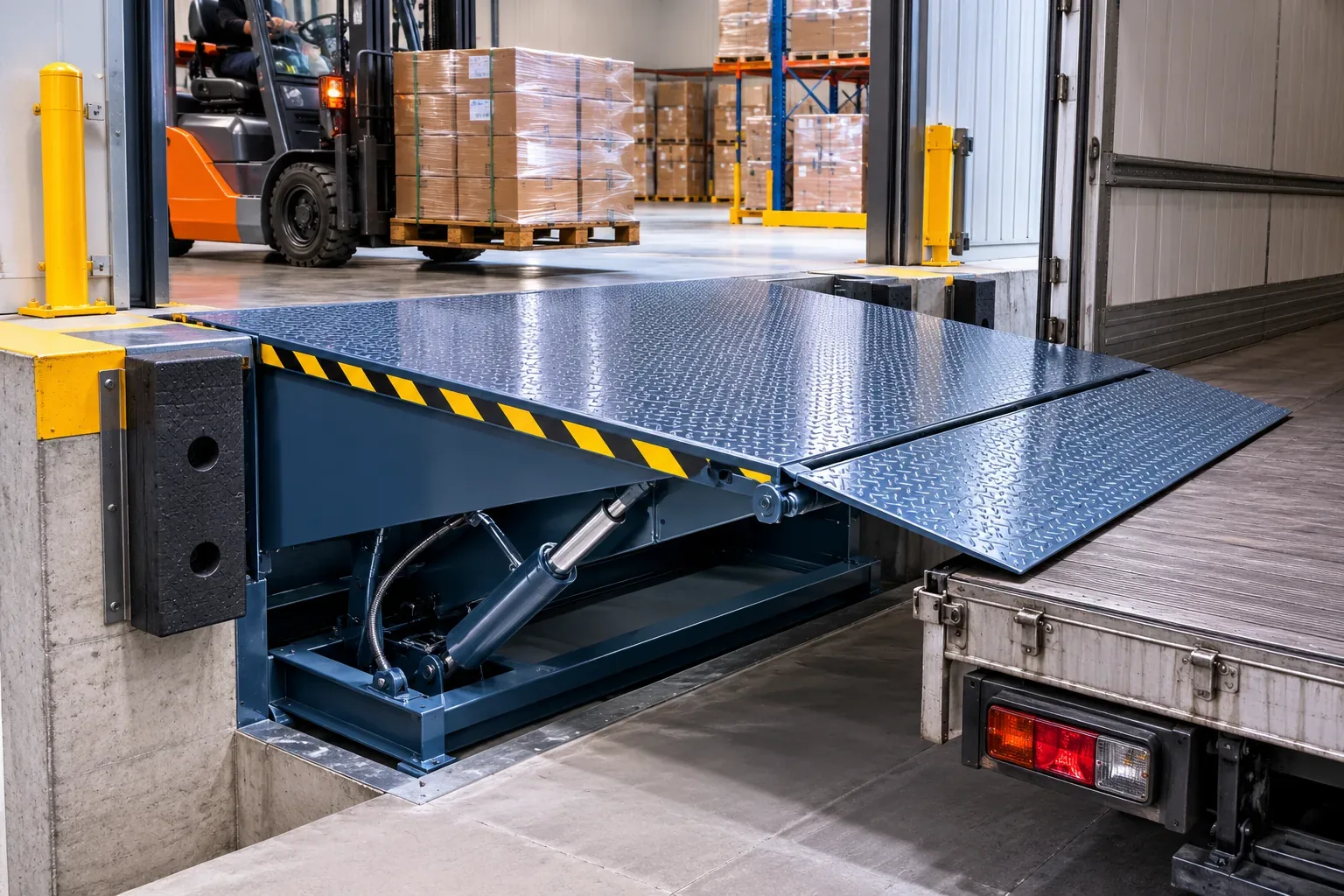
How to choose a dock leveller: hydraulic vs mechanical vs edge-of-dock
Which leveller suits your bay, judged on traffic, truck mix, pit and power, with a comparison table and checklist.
Read the guide →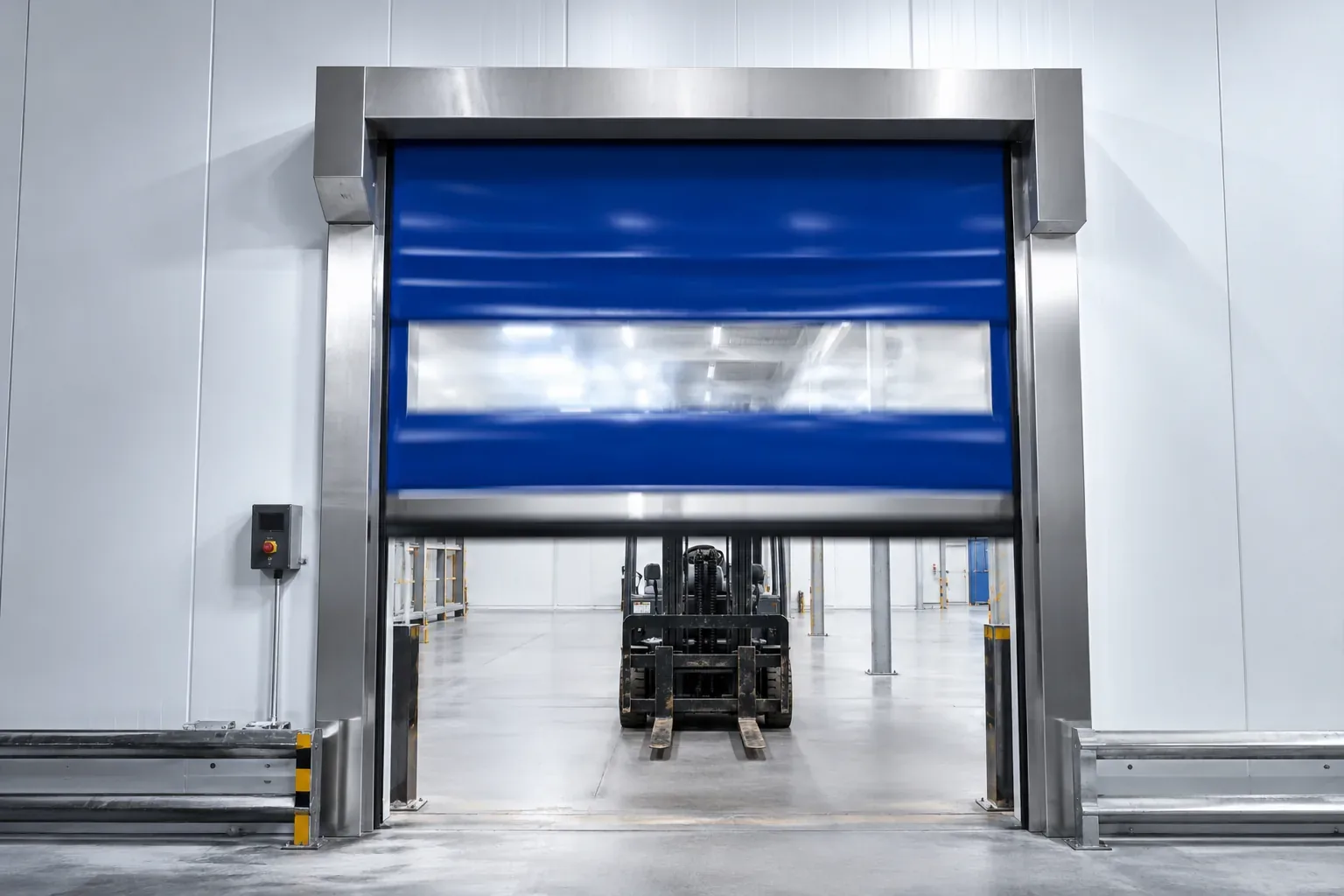
High-speed door or rolling shutter? How to choose for your opening
Speed, security, sealing and upkeep compared, so each opening in your plant gets the right door.
Read the guide →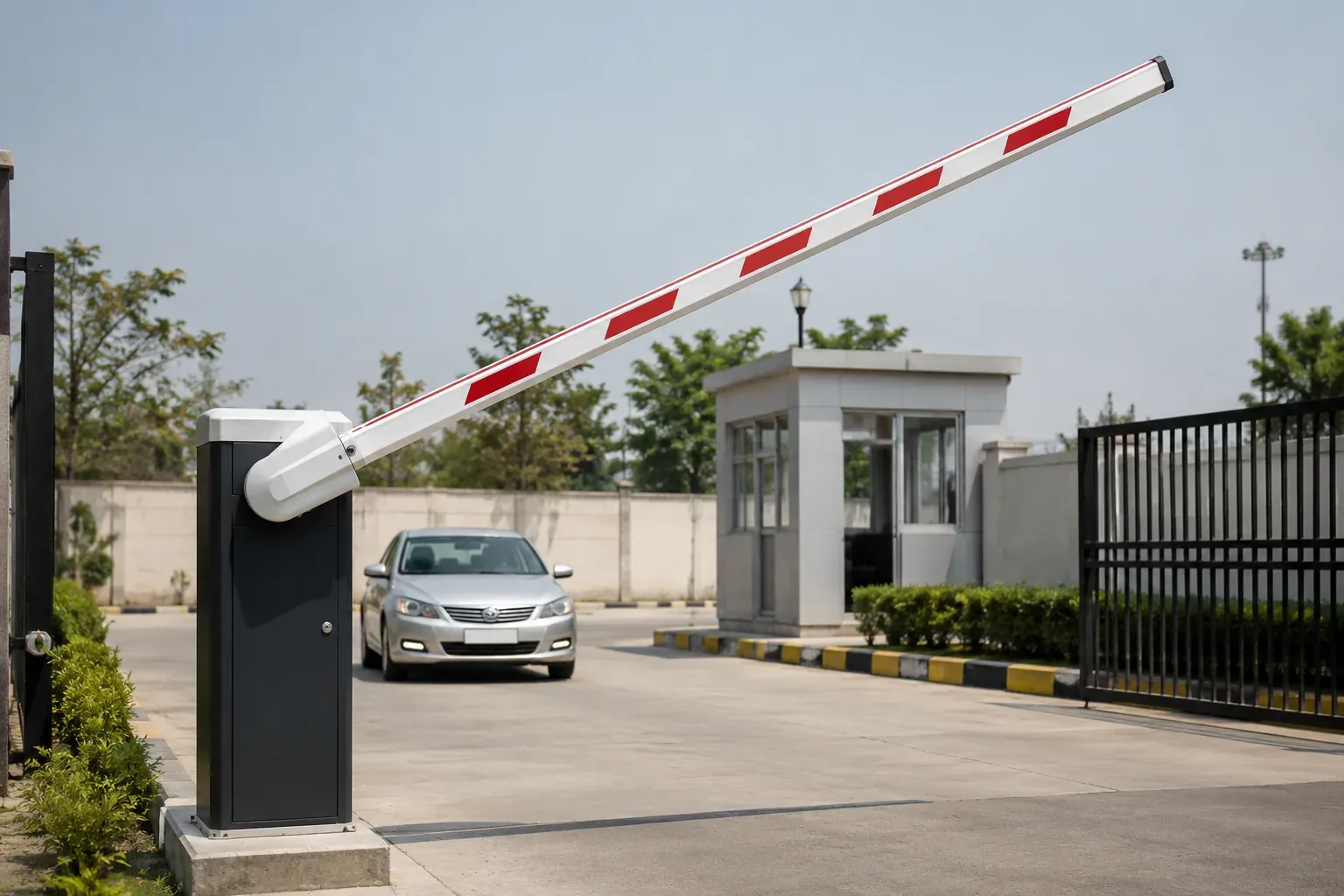
Boom barrier buyer's guide: automatic, RFID and ANPR options for Indian sites
How to pick the barrier and the control method (guard, RFID tag or number-plate camera) for your gate.
Read the guide →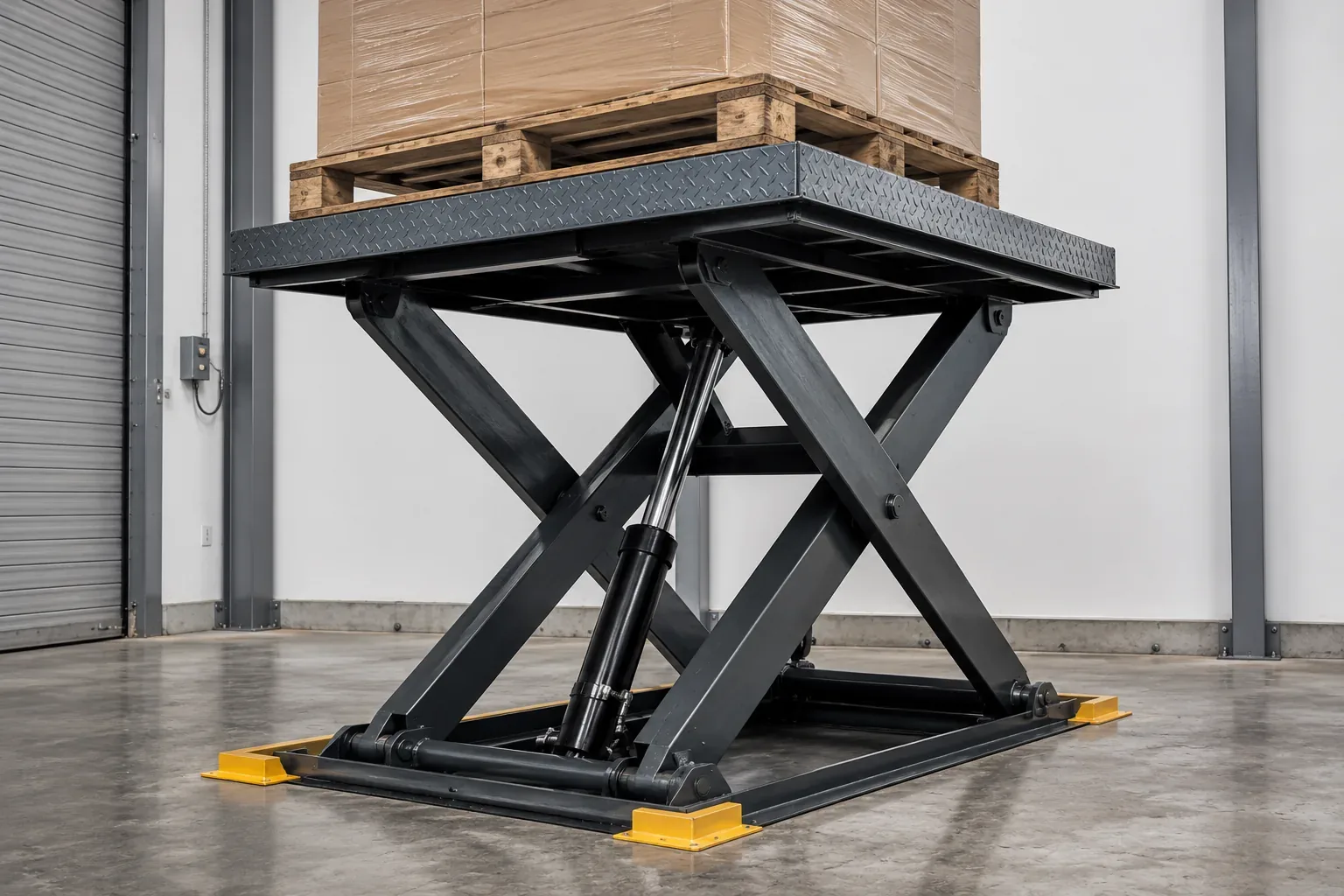
Choosing a scissor lift for your factory or warehouse
Load, platform, travel and cycles: how to size a scissor lift, and when a goods lift fits better.
Read the guide →Specification guides, not marketing
These notes come out of measuring openings and commissioning equipment on Indian industrial sites. They cover how to specify an industrial door or gate accurately. The measurements, the vocabulary, the electrical detail and the mistakes that cost a second visit. For help choosing which product suits an opening, start with the product comparison on our home page or browse all sixteen product lines.
- Measuring an opening so the quote is right first time
- Reading a door specification: the terms that matter
- Planning the electrical side before the equipment arrives
- Sealing, insulation and the environment the door works in
- Fire-rated openings: what the rating covers
- Maintenance: what wears, and when to look at it
- Six specification mistakes we see repeatedly
Measuring an opening so the quote is right first time
Most re-quotes come from one of three numbers being wrong. Take these on site, write them down, and send them with the enquiry.
- Clear opening width and height. The daylight opening the vehicle or person actually passes through: not the hole in the wall.
- Lintel / headroom. Floor-to-underside of the beam or slab above the opening. This is what decides whether a shutter can coil or a sectional door can lift.
- Side-room, both sides. Free wall each side of the opening. Guides, tracks and side-mounted motors all live here, and it is rarely symmetrical.
- Depth of the run-back. For sectional and high-speed doors, how far back into the building the assembly can travel.
- Floor condition and level. A sloping or broken threshold changes the sealing detail and sometimes the product.
- Obstructions. Pipes, cable trays, lighting, sprinkler heads and columns near the opening: the things that are invisible on a drawing.
Photographs help more than most people expect. A wide shot of the opening plus one of each reveal usually answers questions a dimension sheet cannot.
Reading a door specification: the terms that matter
Specification documents use a small vocabulary precisely. Where these terms are read loosely, the wrong product gets ordered.
- Clear opening: the usable opening once the assembly is fitted. Always smaller than the structural opening.
- Structural opening: the hole in the wall before anything is fitted.
- Lintel: the beam over the opening; the headroom available above it governs the product choice.
- Side-room: free wall each side of the opening for guides and drives.
- Duty cycle: how many operations the assembly is designed for in a given period. The single most under-specified figure on an enquiry.
- Counterbalance: the spring or weight system that offsets the door's own mass so the motor is not lifting it unaided.
- Safety edge: the sensing strip on the bottom rail that reverses the door on contact.
- Photocell: a beam across the opening that prevents closing on a vehicle or person.
- Limit switch: sets where travel stops at each end.
- Manual release: lets the door be operated during a power cut.
If a term in your specification is not on this list and is doing real work in the clause, send the clause. It is quicker than both sides guessing.
Planning the electrical side before the equipment arrives
Powered equipment is often delivered to an opening with no supply at it. The electrical detail is confirmed on the approved drawing, so it can be planned early.
- Confirm whether the product needs 230V single-phase or 415V three-phase, at 50 Hz.
- Fix the position of the isolator relative to the drive, so the cable route is known.
- Decide where the control station goes, and on which side of the opening the operator will stand.
- Allow for the safety devices: photocells and safety edges need their own routes.
- Where the door integrates with access control or a loop detector, agree who terminates what before install day.
- Confirm what should happen on power failure, and check the manual release is reachable from the floor.
Getting this agreed at drawing stage is the difference between commissioning in an afternoon and a second visit.
Sealing, insulation and the environment the door works in
What the opening separates matters as much as its size. The same width in three different buildings is three different products.
- Cold store and freezer openings lose most through the gap and the time the door is open, which is why cycle speed and the sealing detail matter more than panel thickness alone.
- Clean rooms and pharmaceutical areas need surfaces that can be cleaned and a sealing behaviour that holds a pressure differential.
- Dusty and abrasive plants wear seals and guides faster; the maintenance interval should be set from that, not from the calendar.
- Coastal and chemical sites drive the finish choice: galvanised, epoxy or otherwise, more than the mechanism choice.
- External openings take wind load, which affects the curtain or panel specification and the fixing detail.
- Internal openings between zones are usually about speed and traffic, not weather.
Tell us the operating temperature and any hygiene requirement at enquiry stage. It changes the product family, not just the options.
Fire-rated openings: what the rating covers
A fire rating belongs to a tested assembly, not to a material. This is the most commonly misread part of a door specification.
- The rating describes how the complete assembly: leaf, frame, hardware and fixing: behaved in a standard test for a stated period.
- Substituting hardware, frames or fixings on site can invalidate the rating even when the replacement looks equivalent.
- Fire doors are self-closing by design; propping one open defeats the assembly entirely.
- Escape routes usually need panic hardware that opens under pressure from inside without a key.
- Vision panels, louvres and letter plates are only permitted where the tested detail included them.
- Fire-resistance testing is commonly referenced to EN 1634.
Reference: applicable products are CE marked (European Commission); Indian Standards are published by the Bureau of Indian Standards.
Maintenance: what wears, and when to look at it
Industrial door wear tracks cycles, not months. A service interval set by the calendar will be too late on a busy opening and wasteful on a quiet one.
- Seals and bottom rail: first to show wear, and the first thing to affect sealing performance.
- Photocell alignment: knocked out of line by traffic more often than it fails electrically.
- Spring or counterbalance tension: drifts gradually, and the motor takes the load as it does.
- Guides and tracks: collect debris in dusty plants and bind before they break.
- Fixings: vibration near presses and compressors loosens them.
- Manual release: worth testing while nothing is wrong, because it is needed when everything is.
Record the cycle count if the controller reports one. It turns maintenance from a guess into a schedule.
Six specification mistakes we see repeatedly
None of these are exotic. All of them cost time on site.
- Quoting the structural opening as the clear opening. The door fits the wall and not the forklift.
- Leaving out the duty cycle. A product sized for occasional use placed on a high-traffic opening will be judged unreliable when it is simply the wrong specification.
- Deciding the product before measuring the headroom. Headroom rules products out faster than any other dimension.
- Treating the safety schedule as an optional extra. It is part of the assembly and belongs on the approved drawing.
- Planning power after delivery. The commonest cause of a second commissioning visit.
- Specifying a fire rating without the tested detail. The rating belongs to the assembly, and site substitutions can void it.
If any of these are open on your project, send what you have and an engineer will come back on it. Talk to an engineer →
Questions we are asked most
What measurements do I need before specifying an industrial door?
Clear opening width and height first. The daylight opening, not the wall opening. Then lintel or headroom above it, and free side-room each side for guides and the motor. Add the power available at the opening and the daily cycle count. Those five numbers let an engineer rule out the wrong products before anyone visits site.
What is the difference between clear opening and structural opening?
The structural opening is the hole in the wall. The clear opening is what remains once guides, tracks, seals and the door assembly are fitted, and it is always smaller. Forklift clearances must be checked against the clear opening. Quoting the structural figure is the most common cause of a door that technically fits but cannot be driven through.
How much headroom does a rolling shutter need?
Enough for the curtain to coil above the opening, plus the barrel and the motor. The exact figure depends on the slat profile, the door height and whether the drive is central or side-mounted, so it is confirmed on the technical drawing rather than estimated. Where headroom is tight, a sectional door or a high-speed door is often the better answer.
Does a bigger motor make a door faster?
No. Opening speed is set by the drive ratio and the control system, not by motor size alone, and a door forced faster than it was designed for wears its seals, bearings and safety edge sooner. If cycle time is the constraint, the honest fix is a product built for speed rather than a larger motor on a product that is not.
What safety devices should an industrial door have?
For a powered door, typically photocells across the opening, a safety edge on the bottom rail, limit switches at both travel ends, and a manual release for power cuts. Vehicle gates and barriers can add loop detectors. The devices fitted are listed on the drawing you approve before manufacture, so check that schedule rather than assuming a standard set.
What does a fire rating on a door actually cover?
A fire rating describes how the door assembly behaved in a standard test. The leaf, frame, hardware and installation together, for a stated period. It is a property of the tested assembly, not of the steel. Changing the hardware, the frame or the fixing method on site can invalidate it, which is why fire-rated openings are installed to the tested detail.
How often should industrial doors be serviced?
Wear tracks cycles, not calendar months. A door opening several hundred times a day needs attention far sooner than one opening twice a shift, even though both are a year old. Set the interval from the cycle count, and inspect the wearing parts, seals, bottom rail, photocell alignment, spring or counterbalance tension, rather than only the motor.
Which standards apply to industrial doors in India?
Structural steelwork commonly references IS 2062, and metal rolling shutters IS 6248, both published by the Bureau of Indian Standards. Fire-resistance testing is commonly referenced to EN 1634. Our own manufacturing is certified to ISO 9001, and applicable products are CE marked. If your specification names a standard, send the clause with the enquiry.
What power supply do powered doors and gates need?
Standard Indian industrial mains: 230V single-phase or 415V three-phase at 50 Hz. Which one depends on the product, the size of the opening and the duty cycle. The requirement is confirmed on the technical drawing so the electrical contractor can position the supply and isolator before the equipment arrives.
Can I reuse the existing opening and frame?
Sometimes, and it is always worth asking, because reusing sound steelwork saves both cost and downtime. It depends on whether the existing frame is square, plumb and structurally sound enough to carry the new assembly. That is a site-survey question, not a catalogue one, so it gets answered when we measure rather than in advance.
Have a site that needs solving? Talk to an engineer, see installations we have delivered, or check the areas we serve.